Monstera Leaves: Transforming Digital Design with Organic Typography
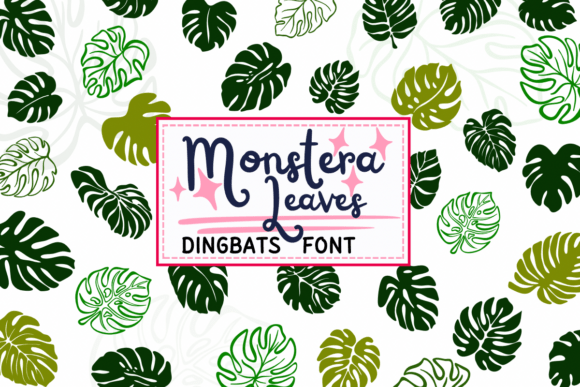
In the rapidly evolving world of digital design, there is a growing demand for aesthetics that bridge the gap between modern minimalism and natural warmth. Designers, crafters, and brand strategists are increasingly moving away from sterile, corporate visuals in favor of elements that evoke life, growth, and tranquility. This shift has placed botanical motifs at the forefront of contemporary visual communication. Among the most versatile tools emerging in this space is Monstera Leaves, a unique typeface that redefines how we integrate nature into our creative projects. Unlike traditional fonts that rely on standard alphanumeric characters, this resource offers a fresh, tropical-themed approach by representing each character as a distinct monstera leaf illustration.
For creatives who struggle to find the right balance between decorative flair and functional utility, Monstera Leaves provides an elegant solution. It is not merely a font; it is a comprehensive collection of botanical dingbats designed to bring the lush beauty of the tropics directly into your workflow. Whether you are working on eco-friendly branding, designing invitations for a summer celebration, or creating intricate cut files for vinyl crafting, this tool offers the organic charm necessary to make your work stand out.
The Challenge of Integrating Nature into Modern Design
Many designers face a common hurdle when attempting to incorporate natural elements into their work. Stock photography can feel generic, while hand-drawn illustrations require significant time and artistic skill. Furthermore, standard botanical clipart often lacks consistency in style, making it difficult to create cohesive layouts. When a project requires a repetitive pattern or a series of icons, mismatched line weights and varying artistic styles can disrupt the visual harmony of the final piece.
Additionally, there is the technical challenge of scalability. Designs intended for large-format printing, such as wall art or packaging, require vector-quality assets that remain crisp at any size. Raster images often pixelate when enlarged, leading to unprofessional results. Creatives need a resource that is both aesthetically pleasing and technically robust, capable of adapting to both digital screens and physical production methods without losing detail.
How Monstera Leaves Addresses Creative Needs
Monstera Leaves addresses these challenges by offering a unified, vector-style solution. Each character in the typeface is crafted with detailed line variations that mimic the natural structure of the monstera plant. This ensures that every element, whether used as a standalone icon or part of a larger pattern, shares a consistent visual language. The font’s design allows for seamless integration into various software platforms, making it accessible to professionals using Adobe Creative Suite as well as hobbyists utilizing user-friendly crafting apps.
The versatility of this typeface lies in its dual nature. It functions as a decorative element for embellishing layouts, but it also serves as a practical tool for creating borders, icons, and complex patterns. Because each letter corresponds to a unique leaf illustration, users can "type" out sequences of foliage that appear random yet harmonious. This feature is particularly useful for generating background textures or framing devices that add depth to a design without overwhelming the primary content.
Practical Applications for Diverse Users
The utility of Monstera Leaves extends across multiple industries and creative disciplines. Understanding how different users can leverage this tool helps maximize its potential.
Eco-Friendly Branding and Packaging
For businesses focused on sustainability, visual identity is crucial. Brands that sell organic products, natural cosmetics, or eco-conscious goods need packaging that communicates their values instantly. Monstera Leaves allows these brands to incorporate subtle botanical cues into their labels and boxes. The clean, vector-style silhouettes work exceptionally well on minimalist packaging, where negative space is key. By using the font to create custom borders or accent icons, companies can achieve a premium, earth-friendly look that resonates with environmentally aware consumers.
Tropical Events and Stationery
Event planners and stationery designers often seek themes that evoke relaxation and joy. Tropical party invitations, wedding save-the-dates, and menu cards benefit greatly from the playful yet elegant aesthetic of monstera leaves. Instead of relying on clichéd palm tree graphics, designers can use the varied leaf shapes in Monstera Leaves to create sophisticated, custom patterns. The font can be used to frame text, create dividers between sections, or serve as a watermark background, adding a layer of refinement to event materials.
Digital Crafting and Cut Files
One of the most powerful applications of this typeface is in the realm of digital crafting. Users of cutting machines like Cricut or Silhouette require designs that are clean and easy to weed. The bold, clear lines of Monstera Leaves make it ideal for creating vinyl decals, heat transfer designs, and paper cutouts. Crafters can type out specific arrangements to generate custom stencils or decorative accents for scrapbooks and journals. The vector nature of the font ensures that the cut lines are precise, reducing material waste and improving the quality of the final physical product.
Implementation Strategies for Best Results
To get the most out of Monstera Leaves, consider the context of your project. For minimal layouts, use the leaf characters sparingly as accent points or bullet lists. This approach maintains a clean aesthetic while adding a touch of organic interest. In contrast, for bold layouts such as poster art or fabric prints, you can overlap the characters to create dense, jungle-like textures. Experimenting with opacity and layering can produce depth and shadow effects that mimic the way light filters through real foliage.
Color selection also plays a vital role. While deep greens are the obvious choice, do not hesitate to experiment with unexpected palettes. Pastel tones can soften the look for baby showers or spring-themed designs, while metallic gold or copper hues can elevate the font for luxury branding. The key is to ensure that the color choices align with the emotional tone you wish to convey.
Conclusion
Incorporating natural elements into design does not have to be a complicated or time-consuming process. Monstera Leaves offers a streamlined, professional solution for creatives seeking to infuse their work with tropical elegance. By combining the functionality of a typeface with the beauty of botanical illustration, it empowers users to create cohesive, high-quality designs across various mediums. From enhancing brand identities to simplifying digital crafting projects, this tool proves that nature-inspired aesthetics can be both practical and profoundly impactful. As the demand for authentic, organic visuals continues to grow, resources like Monstera Leaves will remain essential assets in the modern designer’s toolkit.