Whimsical Windmill Embroidery Design: A Practical Guide to Country Charm
In the vast landscape of machine embroidery, few motifs capture the imagination quite like the Whimsical Windmill Embroidery Design. This specific aesthetic blends nostalgia with technical precision, offering a visual narrative that feels both timeless and fresh. For crafters, quilters, and textile artists aged twenty to fifty, selecting the right design is rarely about finding the most complex pattern. Instead, it is about finding a motif that aligns with the intended emotional tone of the project while remaining technically feasible for home machines.
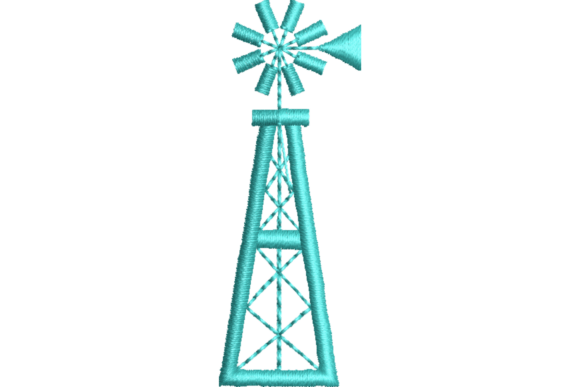
The Whimsical Windmill stands out because it avoids the rigid, industrial look often associated with traditional windmill imagery. Instead, it leans into soft lines, gentle curves, and a storybook quality that suggests movement without chaos. Understanding what makes this design distinct requires looking beyond the surface image and examining how its construction influences the final stitched product.
Defining the Aesthetic and Technical Structure
At its core, the Whimsical Windmill Embroidery Design is characterized by a balance between decorative flair and structural simplicity. Unlike hyper-realistic designs that rely on thousands of satin stitches to mimic photographic detail, this style utilizes clean, decorative stitch types. These might include running stitches for outlines, light fill patterns for the sky or grass, and strategic underlay to ensure stability without bulk.
The "whimsical" element is achieved through proportion and line weight. The windmill blades are often slightly exaggerated or curved, giving the impression of a gentle breeze rather than a static structure. The surrounding rural scene—perhaps a small cottage, rolling hills, or wildflowers—is rendered with warm details that complement rather than compete with the central subject. This approach creates a soft, inviting texture that is particularly effective on fabrics like linen, cotton, and canvas.
From a technical perspective, this design is distinct because it prioritizes readability at various sizes. Many intricate embroidery files lose definition when scaled down. However, the open spacing and clear line work of the Whimsical Windmill allow it to remain legible even on smaller items like tote bag pockets or kitchen towels. This versatility is a significant advantage for those who wish to use a single design across multiple product types.
Comparing Styles: Whimsical vs. Traditional and Modern
When evaluating embroidery options, it is helpful to compare the Whimsical Windmill against other common categories. Understanding these differences helps in making an informed decision based on the project’s end goal.
- Traditional Realism: Traditional windmill designs often focus on architectural accuracy. They may feature brick textures, precise mechanical details, and heavy shading. While impressive, these designs can appear stiff and may require high-thread-count fabrics to support the density. They are best suited for wall hangings where close-up inspection is expected.
- Modern Minimalist: On the opposite end of the spectrum, minimalist designs reduce the windmill to geometric shapes. These are sleek and contemporary but may lack the warmth and nostalgic appeal that many crafters seek for home decor. They work well in modern interiors but can feel cold in rustic settings.
- Whimsical Storybook: The Whimsical Windmill occupies a middle ground. It retains enough detail to be recognizable and charming but simplifies the execution to maintain a light, airy feel. This style is more forgiving of minor tension issues in home machines and integrates seamlessly into mixed-media projects.
The choice between these styles depends largely on the desired atmosphere. If the goal is to evoke comfort, memory, and countryside magic, the whimsical approach is superior. If the goal is architectural study or modern graphic impact, other styles may be more appropriate.
Ideal Applications and Material Considerations
One of the strongest arguments for choosing the Whimsical Windmill Embroidery Design is its adaptability. Because it does not rely on extreme stitch density, it performs well on a variety of textiles. However, the material choice still plays a crucial role in the final outcome.
Quilts and Bedding: When applied to quilts, the soft lines of the design complement the patchwork nature of the fabric. It works particularly well as a focal point on a quilt block or as an all-over pattern for a nursery theme. The gentle colors and non-aggressive stitch paths ensure that the embroidery does not distort the quilt batting or backing.
Kitchen Linens: Tea towels and aprons benefit from the durability of simpler stitch structures. Heavy fills can become scratchy or trap food particles, but the open, decorative style of the whimsical windmill remains smooth and easy to clean. It adds a touch of rustic elegance to functional items without compromising their utility.
Tote Bags and Apparel: For canvas totes or denim jackets, the design needs to stand out against a potentially textured background. The bold yet simple outlines of the windmill ensure visibility. Additionally, because the design is not overly dense, it adds minimal weight to the garment, preserving the drape and comfort of the fabric.
Evaluating Tradeoffs and Limitations
No design is perfect for every situation. While the Whimsical Windmill offers numerous benefits, it is important to recognize its limitations to avoid disappointment.
Detail Resolution: Crafters seeking intricate mechanical details will find this style lacking. The whimsical nature means that gears, bricks, and fine architectural elements are suggested rather than explicitly stitched. If the project requires historical accuracy, this design may not meet the brief.
Color Dependency: The charm of this design often relies on color blending and thread choice. A monochromatic version may lose some of its depth compared to a multi-colored iteration. Users must be prepared to experiment with thread palettes to achieve the desired "warmth" mentioned in the design description.
Scale Sensitivity: While versatile, there is a lower limit to scaling. If reduced too much, the delicate lines connecting the blades to the center may break or become indistinguishable. It is advisable to test stitch the design at the intended size before committing to the final project.
Decision Factors for the Modern Crafter
Choosing the right embroidery design is a process of elimination and alignment. To determine if the Whimsical Windmill is the right choice, consider the following factors:
- Target Audience: Is the item for a child, a rustic home enthusiast, or a modern minimalist? The whimsical style resonates strongly with those who appreciate nostalgia and handcrafted warmth.
- Machine Capability: Home embroidery machines vary in hoop size and thread handling. This design is generally friendly to mid-range machines because it does not require excessive trim jumps or complex color changes. It is a safe choice for beginners and experienced users alike.
- Project Longevity: Will the item be washed frequently? The lighter stitch count of whimsical designs often holds up better to repeated washing than heavy satin columns, which can snag or pull over time.
- Aesthetic Cohesion: Does the design fit with existing decor or fabric choices? The rural, storybook feel pairs well with earth tones, pastels, and natural fibers. It may clash with neon colors or synthetic, high-shine materials.
Final Thoughts on Selecting Your Design
The Whimsical Windmill Embroidery Design represents a thoughtful intersection of art and utility. It offers a way to bring countryside magic into everyday objects without overwhelming the viewer or the maker. By understanding its distinct characteristics—soft lines, decorative stitch work, and nostalgic appeal—crafters can make informed decisions about when and how to use it.
While it may not suit every project, particularly those requiring strict realism or modern minimalism, it excels in creating emotional connections through textile art. For those looking to add a touch of timeless charm to quilts, linens, or bags, this design provides a reliable and beautiful option. As with any creative endeavor, the key lies in matching the tool to the task, and in this case, the whimsical windmill is a powerful tool for storytelling through stitch.