Integrating the Prostate Cancer Awareness Ribbon 2 Box into Your Advocacy and Gifting Workflow
In the realm of cause-based marketing and community engagement, the tangible elements of a campaign often determine its lasting impact. While digital outreach drives awareness, physical touchpoints create emotional connections. This is where the Prostate Cancer Awareness Ribbon 2 Box serves as a critical asset for creators, small business owners, and nonprofit organizers. It is not merely packaging; it is a functional component of a broader communication strategy designed to elevate gift-giving while maintaining thematic consistency.
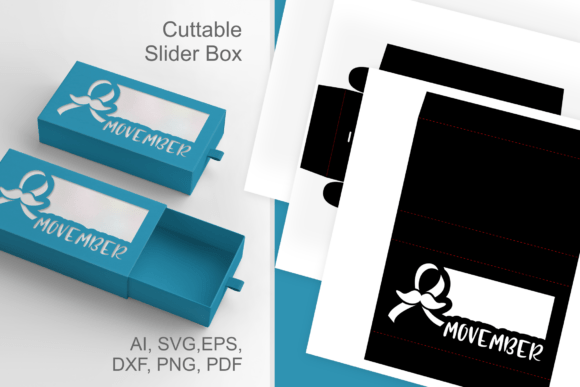
For professionals managing events during Movember or year-round prostate health initiatives, the challenge lies in balancing aesthetic appeal with operational efficiency. A standard favor box often requires assembly time that exceeds available resources or lacks the visual sophistication needed to convey respect and seriousness. The solution is a meticulously crafted paper-cut template that transforms flat stock into an elegant, sliding-drawer gift box. By integrating this tool into your preparation workflow, you streamline production without sacrificing quality.
Understanding the Structural Design and Utility
The core value of this template lies in its three-part architecture, which separates structural integrity from decorative presentation. Understanding these components allows for better planning in material selection and assembly logistics.
- The Drawer: This is the sleek, sturdy base designed to hold your treasures. In a workflow context, this component must be printed on heavier cardstock to ensure durability. It acts as the functional vessel for candies, small gifts, or informational brochures.
- The Sleeve: This beautifully designed outer layer features delicate cut-outs, specifically the “Prostate Cancer Awareness Ribbon 2” decorative wide window. The sleeve provides the primary visual identity. Its design ensures that the theme is immediately recognizable, reinforcing the message of awareness every time the box is handled.
- The Transparent Parchment Insert: This element adds a touch of sophistication, allowing the contents to be showcased through the see-through holes. It bridges the gap between the opaque drawer and the decorative sleeve, creating depth and visual interest.
This separation of concerns—structure versus decoration—allows for modular production. You can print sleeves in bulk using premium textured paper while keeping drawers on standard, cost-effective stock. This flexibility is essential for budget-conscious entrepreneurs and educators who need to manage resource allocation carefully.
Strategic Integration into Event Planning and Campaigns
Implementing the Prostate Cancer Awareness Ribbon 2 Box requires foresight. It fits seamlessly into various stages of project management, from initial concept to final distribution. Here is how to align this asset with your operational timeline.
Pre-Production: Material Compatibility and Testing
Before committing to a large print run, assess your hardware capabilities. The template is provided in universal vector files (SVG, EPS, AI, DXF), ensuring compatibility with most cutting machines such as Cricut, Silhouette, or industrial laser cutters. However, material behavior varies. Thick cardstock may require multiple passes for clean cuts, while thin paper might tear during the weaving or sliding mechanism assembly.
Conduct a prototype test using the default dimensions of 7.3 x 3.8 x 1.2 inches (18.6 x 9.7 x 3.1 cm). Evaluate the friction between the drawer and sleeve. If the fit is too tight, adjust the vector scale slightly in your design software. This quality control step prevents waste and ensures a smooth user experience for the recipient. For those using home printers, verify that your printer can handle the weight of the chosen paper without jamming, particularly when printing the intricate details of the ribbon cutout.
Production: Efficiency and Batch Processing
Once materials are finalized, move to batch processing. Organize your workflow by grouping similar tasks. Cut all sleeves first, then all drawers, and finally prepare the parchment inserts. This assembly-line approach reduces machine setup time and minimizes errors. If you are working with a team, assign specific roles: one person handles cutting, another manages folding and scoring, and a third focuses on assembly.
The customizable nature of the template allows for scaling. If your project requires smaller favors for conference handouts, resize the template proportionally. Ensure that the aspect ratio remains constant to prevent distortion of the ribbon design. For larger gifts, such as corporate donor packages, scale up accordingly, but remember to increase the paper weight to maintain structural rigidity.
Distribution: Enhancing the Recipient Experience
The final stage is distribution, where the box serves as a tactile reminder of the cause. Whether used for Movember favors, healthcare awareness kits, or thank-you gifts for donors, the presentation matters. The sliding mechanism invites interaction, encouraging the recipient to engage with the package physically. This moment of discovery can be leveraged to include a call-to-action card inside the drawer, directing users to donation pages or educational resources.
By placing informational materials inside the drawer, you protect them from damage while keeping the exterior aesthetically pleasing. This dual function—protection and promotion—makes the box a versatile tool for marketers and educators alike.
Technical Specifications and File Management
Effective use of digital assets requires organized file management. The download package includes comprehensive formats to suit different technical environments. Vector-based PDF files are ideal for direct printing without the need for specialized cutting software. SVG and EPS files are best for users who wish to modify the design elements, such as adding personalized text or adjusting the ribbon size.
For those without cutting machines, the transparent PNG and JPG files allow for standard printing and manual assembly. While this method is more labor-intensive, it remains accessible for small-scale projects or classroom activities. Ensure that you maintain high-resolution settings when printing raster images to avoid pixelation around the intricate cut-out edges.
Compatibility extends beyond software. Consider the environmental conditions of your workspace. Humidity can affect paper stiffness, potentially causing the sliding drawer to stick. Store your printed components in a dry, flat environment until assembly. This attention to detail ensures consistent quality across all units produced.
Customization for Brand Consistency and Impact
While the template features a predefined “Prostate Cancer Awareness Ribbon 2” design, it serves as a foundation for further customization. Organizations often need to align materials with their brand guidelines. You can overlay logos, adjust color palettes within the vector files, or modify the typography on the sleeve. However, maintain the integrity of the ribbon symbol to ensure immediate recognition of the cause.
Color psychology plays a significant role in awareness campaigns. The traditional blue for prostate cancer should be prominent, but complementary colors can be used to enhance visual appeal. Test different color combinations on your chosen paper stock, as ink absorption varies. Matte finishes often convey sophistication, while glossy finishes can highlight the vibrancy of the ribbon design.
Furthermore, consider the contents of the box. The template is designed for small items, but creativity can expand its utility. Fill the drawers with seed packets symbolizing growth and health, custom pins, or QR codes linking to video testimonials. The key is to ensure that the contents align with the message conveyed by the exterior design.
Long-Term Value and Sustainability
Incorporating reusable or recyclable materials into your packaging strategy enhances the ethical standing of your campaign. Paper-based templates are inherently more sustainable than plastic alternatives. Encourage recipients to reuse the boxes for storage or recycling, extending the lifecycle of the material. This aligns with modern consumer expectations for environmentally responsible practices.
From a business perspective, investing in a high-quality template reduces long-term costs. Unlike pre-made boxes that require shipping and storage space, digital templates can be printed on demand. This just-in-time production model minimizes waste and allows for rapid response to changing campaign needs. Whether you are preparing for a sudden fundraising push or a planned annual event, the ability to produce packaging locally and quickly is a significant operational advantage.
Ultimately, the Prostate Cancer Awareness Ribbon 2 Box is more than a container. It is a strategic tool that bridges the gap between intention and execution. By understanding its structural components, integrating it into a disciplined workflow, and leveraging its customization potential, you can create meaningful, memorable interactions that support prostate cancer awareness efforts effectively. The focus remains on clarity, efficiency, and respect for the cause, ensuring that every gift given contributes to a larger narrative of health and solidarity.