Integrating the Daisy Floral Coin Purse Embroidery Design into Your Creative Workflow
In the landscape of modern digital crafting and small-scale manufacturing, the selection of design assets is rarely just an aesthetic choice; it is a strategic decision that impacts production efficiency, brand consistency, and customer appeal. The Daisy Floral Coin Purse Embroidery Design represents a specific type of asset that bridges the gap between whimsical visual appeal and practical application. For creators, entrepreneurs, and hobbyists alike, understanding how to effectively integrate this design into broader workflows can transform a simple decorative element into a cornerstone of a successful product line or personalized project.
This article explores the practical implementation of this embroidery pattern, focusing on its technical characteristics, compatibility with various materials, and its role in streamlining the creative process from concept to finished good.
Understanding the Design Architecture
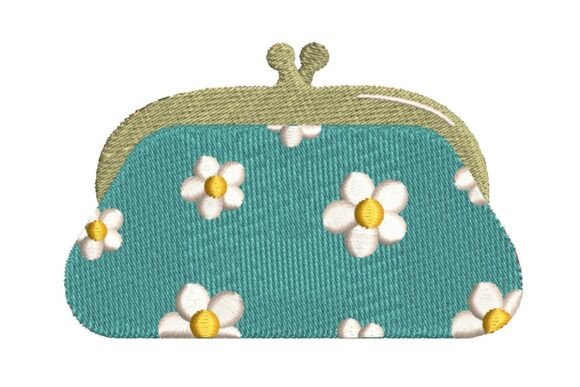
Before deploying any digital asset, it is crucial to understand its structural components. The Daisy Floral Coin Purse Embroidery Design is characterized by a distinct visual hierarchy. The central subject is a classic coin purse, rendered with a textured teal or aqua body. This base color provides a cool, calming backdrop that allows the foreground elements to pop. Scattered across this surface are white daisy-like flowers, each anchored by a bright yellow center. The contrast between the white petals and the yellow centers against the teal background ensures high visibility and legibility, even at smaller scales.
The top clasp, depicted in light olive green or beige, serves as a neutral anchor that complements rather than competes with the floral motif. From a technical standpoint, the entire design exhibits a stitched texture typical of high-quality machine embroidery. This simulated texture is not merely decorative; it informs the digitizer and the end-user about the expected stitch density and direction. Recognizing these details early in the planning phase helps in selecting the appropriate stabilizers and threads, reducing the likelihood of production errors.
Strategic Placement in the Production Pipeline
Integrating this design into your workflow requires considering where it fits in the timeline of a project. Whether you are running a small Etsy shop, managing a boutique branding agency, or creating personal gifts, the placement of this asset affects subsequent decisions.
Pre-Production Planning and Material Selection
The first step in utilizing the Daisy Floral Coin Purse Embroidery Design is assessing material compatibility. The teal and aqua tones of the purse body require a fabric background that does not clash. Neutral fabrics such as cream, white, light gray, or soft pastels work best to maintain the design’s integrity. If you are embroidering directly onto a dark garment, you must plan for an underlay stitch or a backing patch to ensure the teal colors remain vibrant and do not get lost in the substrate.
During this phase, also consider the scale. The intricate details of the daisy centers and the purse clasp require a minimum hoop size to resolve correctly. Attempting to shrink the design below its recommended dimensions can result in thread breaks or loss of detail, particularly in the yellow centers. Therefore, verifying the aspect ratio and minimum size requirements before purchasing or downloading the file is a critical quality control step.
Execution and Machine Setup
Once the material is selected, the execution phase begins. The "stitched texture" mentioned in the design description implies a certain level of stitch density. To replicate this look accurately, tension settings on your embroidery machine must be calibrated. A balanced tension ensures that the white daisies sit flush against the teal background without puckering the fabric.
For professionals managing multiple orders, standardizing the thread chart for this specific design can save significant time. By pre-winding bobbins with the exact shades of teal, olive, white, and yellow required, you reduce machine downtime during color changes. This preparation turns a potentially tedious multi-color job into a streamlined operation.
Versatility Across Applications
One of the strongest attributes of this design is its versatility. It is not limited to a single product type. Understanding its adaptability allows creators to maximize the return on investment for their digital assets.
- Apparel and Accessories: The design is ideal for spring-themed collections. It can be applied to tote bags, denim jackets, or canvas sneakers. The whimsical nature of the daisies appeals to a demographic looking for cheerful, vintage-inspired aesthetics.
- Home Decor: When scaled appropriately, this motif works well on throw pillows, kitchen towels, or wall hangings. The teal color palette integrates seamlessly with coastal or cottage-core interior design trends.
- Small Goods and Keychains: As the design literally depicts a coin purse, it is meta-textually perfect for actual small leather goods or fabric keychains. Embroidering this design onto a real coin purse creates a playful, recursive visual effect that customers often find delightful.
By recognizing these diverse use cases, businesses can create cohesive marketing campaigns. For example, a spring launch could feature the design across a range of products, from wearable art to home accents, unified by the common visual thread of the daisy purse motif.
Quality Control and Consistency
Maintaining consistency is vital for brand reputation. When using the Daisy Floral Coin Purse Embroidery Design across multiple units, several factors must be monitored.
First, thread quality plays a significant role in the final appearance. High-sheen polyester threads will enhance the vibrancy of the yellow centers and the depth of the teal body. Matte cotton threads may offer a more vintage, subdued look, which might be desirable for certain niche markets but less effective for others. Establishing a standard thread brand and type ensures that every item produced looks uniform.
Second, stabilization is key. The scattered nature of the flowers means there are areas of varying density. Using a cut-away stabilizer for stretchy fabrics or a tear-away for woven fabrics prevents distortion. Regularly inspecting the back of the embroidery can reveal tension issues before they become visible on the front, allowing for immediate corrective action.
Long-Term Asset Management
For digital creators and small business owners, treating embroidery files as long-term assets is essential. Store the Daisy Floral Coin Purse Embroidery Design in an organized library, tagged with relevant keywords such as "floral," "vintage," "spring," and "teal." This organization facilitates quick retrieval when seasonal trends shift back toward these aesthetics.
Additionally, keep records of which materials and settings yielded the best results. Documenting the needle size, thread brands, and stabilizer types used for successful runs creates a standard operating procedure (SOP). This documentation is invaluable when training new staff or scaling up production, ensuring that the quality of the output remains high regardless of who is operating the machine.
Conclusion
The Daisy Floral Coin Purse Embroidery Design is more than just a pretty picture; it is a functional tool in the creator’s arsenal. By understanding its technical requirements, planning for material compatibility, and integrating it into a structured workflow, you can leverage this asset to produce high-quality, consistent, and appealing products. Whether used for personal projects or commercial ventures, the key to success lies in the thoughtful preparation and execution that surrounds the digital file. Embrace the process, refine your techniques, and let this charming design add a touch of whimsical elegance to your creative portfolio.