The Art of Emotional Typography: Integrating Love Roses into Modern Creative Workflows
In the rapidly evolving landscape of digital design and personal branding, typography has transcended its traditional role as a mere vessel for information. It has become a primary driver of emotional resonance, brand identity, and user engagement. Among the myriad of typefaces available to contemporary creators, Love Roses stands out not merely as a decorative font, but as a strategic tool for conveying warmth, intimacy, and artisanal quality. As professionals across industries—from marketing agencies to independent entrepreneurs—seek to humanize their digital presence, the demand for typefaces that bridge the gap between professional polish and personal touch has never been higher.
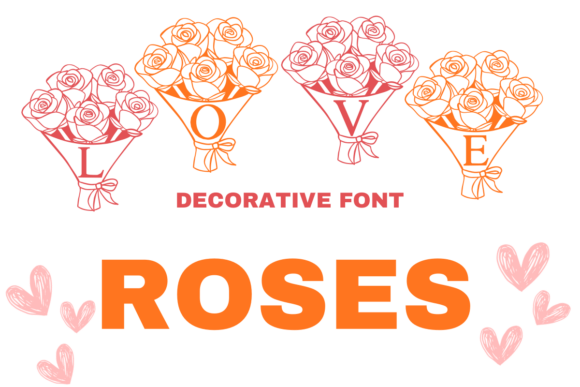
Love Roses is a decorative font characterized by its fluid, organic lines and romantic aesthetic. While its visual appeal is immediate, its utility extends far beyond superficial decoration. It is a versatile asset that can be employed for taking notes, writing a diary, or crafting heartfelt greeting cards. However, its application in broader commercial contexts is equally significant. Designers are increasingly utilizing this typeface for banners, social media content, merchandise such as mugs and shirts, and comprehensive stationery suites. Understanding how to leverage Love Roses requires a shift in perspective: viewing typography not just as a stylistic choice, but as a component of a larger narrative strategy.
The Shift Toward Human-Centric Design
The modern consumer is inundated with sterile, corporate aesthetics. In response, there is a marked trend toward "human-centric" design, where authenticity and emotional connection are prioritized over rigid uniformity. This shift is evident in the rise of hand-lettered logos, imperfect illustrations, and typography that mimics the natural variation of human handwriting. Love Roses fits seamlessly into this paradigm. Its decorative nature offers a counterpoint to the sans-serif minimalism that has dominated tech and startup culture for the past decade.
For marketers and brand strategists, this represents a crucial opportunity. Using a font like Love Roses allows brands to signal approachability and care. When a customer receives a package with a thank-you note printed in a warm, decorative script, the psychological impact is profound. It transforms a transactional interaction into a relational one. This is why the font is particularly effective for small businesses, boutique retailers, and service providers who rely on personal relationships to drive loyalty. The font acts as a visual proxy for the creator’s voice, adding a layer of personality that standard system fonts cannot replicate.
Practical Applications in Digital and Print Media
The versatility of Love Roses lies in its adaptability across various mediums. While it is inherently decorative, its legibility and style make it suitable for a wide range of applications when used strategically. Consider the following practical scenarios where this typeface adds significant value:
- Social Media Engagement: In an era where scroll-stopping visuals are currency, Love Roses can be used to highlight key quotes, promotional offers, or inspirational messages on platforms like Instagram and Pinterest. The decorative flair draws the eye, encouraging users to pause and engage with the content.
- Merchandise Design: The rise of print-on-demand services has empowered creators to launch product lines with minimal overhead. Love Roses is ideal for designs on mugs, shirts, and tote bags, particularly for niches focused on self-care, romance, or lifestyle branding. The font’s aesthetic aligns perfectly with products intended to evoke comfort and joy.
- Event Stationery and Invitations: For wedding planners, event coordinators, and individuals hosting special occasions, the font provides an elegant solution for invitations, save-the-dates, and place cards. Its romantic undertones communicate the tone of the event before a single word is read.
- Digital Content Headers: Bloggers and content creators can use Love Roses for header images or pull quotes within articles. This breaks up the monotony of body text and adds a visual hierarchy that guides the reader’s attention.
It is important to note, however, that decorative fonts require careful handling. They are best used for headlines, short phrases, or accent text rather than long paragraphs. Overuse can lead to visual fatigue and reduced readability. The key is balance: pairing Love Roses with a clean, neutral sans-serif or serif font for body copy ensures that the design remains accessible while still retaining its distinctive character.
Aligning with Consumer Preferences for Personalization
The relevance of Love Roses is also tied to the broader consumer preference for personalized experiences. Mass production is giving way to mass customization, where consumers expect products and communications to feel tailored to their individual tastes. In this context, typography becomes a tool for differentiation. A greeting card written in a generic font feels impersonal; one featuring Love Roses feels curated and thoughtful.
This trend is particularly visible in the stationery and journaling communities. The practice of bullet journaling, scrapbooking, and creative note-taking has surged in popularity as individuals seek mindful ways to organize their lives. Love Roses serves as an excellent resource for these enthusiasts. Whether used digitally in tablet-based note-taking apps or printed for physical journals, the font adds an element of artistry to daily routines. It transforms mundane tasks like scheduling or list-making into creative acts, fostering a sense of enjoyment and ownership over one’s personal organization systems.
Furthermore, the font’s aesthetic aligns with the "cottagecore" and "soft life" movements, which celebrate simplicity, nature, and nostalgia. These cultural trends emphasize a return to slower, more intentional living. By incorporating Love Roses into designs, creators tap into this zeitgeist, appealing to audiences who value warmth and tradition over speed and efficiency.
Technical Considerations for Professional Use
For designers and developers integrating Love Roses into web projects or digital products, technical considerations are paramount. Decorative fonts often have unique kerning and spacing requirements. Ensuring that the font renders correctly across different devices and browsers is essential for maintaining a professional appearance. Additionally, accessibility standards must be respected. While Love Roses is beautiful, it should never compromise the usability of a interface. Alt text, sufficient contrast ratios, and fallback fonts are critical components of a responsible design strategy.
Moreover, licensing and usage rights should always be verified. Whether using the font for personal projects like diaries or commercial ventures like banner ads, understanding the scope of the license protects both the creator and the client. Many professional font foundries offer specific licenses for web use, app embedding, and merchandise, ensuring that creators can operate within legal boundaries while maximizing the font’s potential.
The Future of Decorative Typography in Branding
As we look forward, the role of decorative typography like Love Roses is likely to expand. Advances in variable font technology and dynamic typing systems will allow for even greater customization and interactivity. Imagine a website where the headline subtly shifts in weight and style based on user interaction, or an email campaign where the greeting feels handwritten and unique to each recipient. These possibilities underscore the importance of selecting typefaces that are not only visually appealing but also technically robust.
Ultimately, the decision to use Love Roses is a decision to prioritize emotion. In a world increasingly mediated by screens and algorithms, the human touch remains a稀缺 commodity. By leveraging this decorative font, professionals can inject warmth into their work, creating connections that resonate on a deeper level. Whether you are designing a banner for a local business, creating content for social media, or simply organizing your thoughts in a digital diary, Love Roses offers a pathway to more meaningful communication.
For entrepreneurs and creators, the takeaway is clear: typography is not an afterthought. It is a foundational element of brand storytelling. By understanding the nuances of fonts like Love Roses and applying them with intention, you can elevate your projects from functional to memorable. The goal is not just to be seen, but to be felt. And in the competitive landscape of modern design, that emotional resonance is the ultimate differentiator.
To explore how Love Roses can enhance your next project, consider experimenting with it in low-stakes environments first. Try using it for a personal journal entry, a friend’s birthday card, or a draft social media post. Observe how it changes the tone of your message. Then, gradually integrate it into your professional workflow, paying attention to how your audience responds. The insights gained from this process will inform your broader design strategy, helping you build a brand voice that is both authentic and impactful.