Teacup: A Versatile Embroidery Design for Modern Makers
In the expansive world of machine embroidery, finding a design that balances aesthetic charm with technical reliability can be surprisingly difficult. Many digital files promise elegance but deliver frustration in the form of thread breaks, poor stitch density, or awkward scaling issues. The Teacup embroidery design emerges as a noteworthy exception, offering a blend of classic whimsy and professional-grade construction. Whether you are digitizing your own patterns or sourcing high-quality assets for client work, understanding the nuances of this specific motif is essential for maximizing its potential.
This article examines the Teacup design from a practical standpoint, focusing on its usability across various fabrics, its compatibility with different machines, and its value for both hobbyists and commercial creators. By stripping away marketing hyperbole, we can better assess whether this asset fits into your current workflow and creative toolkit.
Design Aesthetics and Visual Appeal
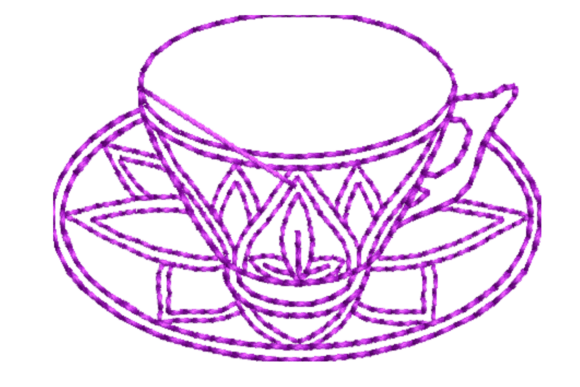
The primary draw of the Teacup design lies in its timeless subject matter. Tea culture has seen a resurgence in popularity, influencing home decor, fashion, and lifestyle branding. This design captures that sentiment without relying on clichéd or overly complex imagery. It features clean lines and balanced proportions, making it suitable for a wide demographic. Unlike intricate lace patterns that may get lost on textured fabrics, the Teacup maintains its visual integrity even when scaled down for smaller items like pocket squares or coasters.
From a stylistic perspective, the design offers a "stylish flair" that is subtle rather than ostentatious. This makes it highly versatile. It does not scream for attention but rather complements the base material. For professionals creating branded merchandise, this neutrality is a significant advantage. It allows the design to adapt to various color palettes and brand identities without clashing. The simplicity of the cup shape provides a canvas for creativity, whether you choose to use solid fills for a bold look or satin stitches for a more refined, glossy finish.
Technical Construction and File Compatibility
One of the most critical aspects of any digital embroidery file is its technical foundation. A beautiful preview image means little if the underlying stitch data is flawed. The Teacup design is engineered with stability in mind. It utilizes appropriate underlay stitching to secure the fabric and prevent shifting during the embroidery process. This attention to detail reduces the likelihood of puckering, a common issue with curved designs on lighter materials.
Furthermore, the design is distributed in multiple embroidery file formats. This inclusivity is crucial for users operating different brands of machines, such as Brother, Janome, Husqvarna Viking, or Bernina. Rather than requiring third-party conversion software—which can often distort stitch paths or alter density settings—the provided formats ensure that the design reads correctly on your specific hardware. For beginners, this eliminates a significant barrier to entry. For experts, it saves time in the pre-production phase, allowing for quicker turnaround on projects.
The consistency of the stitch count across sizes is another notable feature. Poorly digitized designs often fail to adjust pull compensation when resized, leading to gaps or overlapping threads. The Teacup design maintains its structural integrity across a range of dimensions, ensuring that the final output looks professional regardless of the hoop size selected.
Practical Applications Across Materials
The true test of an embroidery design is its performance on actual fabric. The Teacup motif demonstrates remarkable flexibility in this regard. Its moderate density makes it suitable for a variety of textiles, from sturdy cottons to delicate linens.
- Apparel: On t-shirts or tote bags, the design holds up well to washing and wear. The stitch direction is optimized to minimize distortion on stretchy fabrics, provided a proper stabilizer is used.
- Linens and Home Decor: When applied to tea towels, napkins, or table runners, the design adds a touch of sophistication. The clean edges prevent fraying over time, which is essential for items that undergo frequent laundering.
- Decorative Items: For wall hangings or framed textile art, the design’s clarity allows it to stand out against contrasting backgrounds. It pairs particularly well with natural fibers like linen or canvas.
For entrepreneurs selling handmade goods, this versatility translates to inventory efficiency. You can use the same digital asset to create a diverse product line, reducing the need to purchase multiple specialized designs. This economies-of-scale approach is vital for small business owners looking to maximize profit margins while maintaining high quality.
Usability for Different Skill Levels
The Teacup design is marketed as ideal for both beginners and experts, and this claim holds merit upon inspection. For novices, the design is forgiving. It does not require advanced hooping techniques or exotic threads to look good. Standard polyester or rayon threads work effectively, and the stitch path is straightforward enough that troubleshooting is minimal. If a thread break occurs, re-starting the design is less complicated than with multi-layered, intricate patterns.
For experienced embroiderers, the design offers a solid base for customization. Because the shapes are distinct, it is easy to edit the file in digitizing software to add monograms, change colors, or incorporate additional elements like steam swirls or floral accents. The clean geometry allows for precise alignment, which is crucial when combining this design with other motifs in a larger composition.
Educators and workshop leaders may also find this design useful for teaching purposes. It covers fundamental concepts such as hoop placement, stabilizer selection, and thread tension management without overwhelming students with excessive complexity. It serves as an excellent project for building confidence before moving on to more challenging digitized works.
Limitations and Considerations
While the Teacup design is robust, it is not without limitations. Users should be aware that its simplicity may not satisfy those seeking highly detailed or photorealistic embroidery. If your project requires intricate shading or complex textures, this design may feel too basic. Additionally, while the file formats are comprehensive, users with older or proprietary machine models should always verify compatibility before purchase. Although rare, some legacy systems may struggle with newer digitizing standards.
Another consideration is the need for proper stabilization. While the design is well-digitized, no file can compensate for poor hooping or inadequate stabilizer choice. Users working with very slippery or stretchy fabrics should still invest time in testing samples. The design performs best when the maker respects the material’s properties and adjusts their technique accordingly.
Long-Term Value and Professional Utility
Investing in high-quality embroidery designs is about long-term utility rather than one-off use. The Teacup design offers enduring value because its subject matter is not tied to fleeting trends. Tea-themed imagery has remained relevant for decades, suggesting that this asset will remain usable for years to come. For freelancers and agencies, having a library of such timeless designs ensures that you can meet client requests quickly without scrambling for new resources.
Moreover, the reliability of the file reduces waste. Failed embroidery attempts cost money in thread, fabric, and time. By using a professionally constructed design like Teacup, creators can minimize errors and increase their overall productivity. This reliability is perhaps the most significant factor for serious hobbyists and small business owners who rely on consistent output to maintain their reputation and income.
In conclusion, the Teacup embroidery design represents a thoughtful balance of aesthetics and functionality. It avoids the pitfalls of overly complex digitizing while providing enough detail to look polished and professional. Its compatibility with multiple machines and suitability for various fabrics make it a practical addition to any creator’s library. Whether you are looking to add a personal touch to home linens or produce scalable merchandise for your brand, this design offers a reliable, stylish solution that respects both your time and your materials.