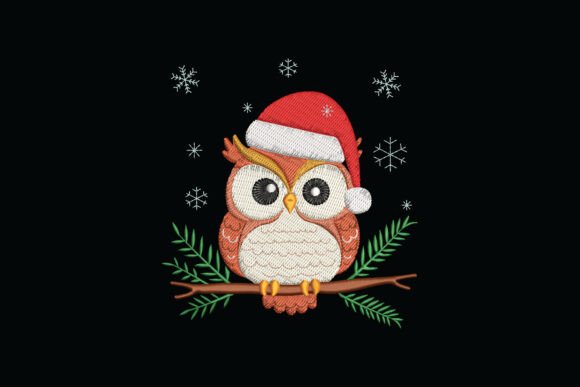
Mastering the Art of Festive Stitching: A Deep Dive into Premium Owl Christmas Embroidery Designs
The holiday season is a time when creativity takes center stage, transforming ordinary fabrics into cherished keepsakes and personalized gifts. Among the myriad of motifs that define this festive period, the owl has emerged as a surprisingly versatile and beloved subject. Combining the whimsical charm of woodland creatures with the cozy aesthetics of winter celebrations, an Owl Christmas theme offers a unique narrative for textile artists. Whether you are a seasoned professional managing a custom apparel business or a hobbyist looking to add a personal touch to home linens, understanding the nuances of high-quality machine embroidery designs is essential for achieving superior results.
This guide explores the technical and artistic aspects of integrating premium embroidery patterns into your workflow. We will examine why specific design qualities matter, how to select the right formats for your machinery, and the practical applications that can elevate your next project from simple stitching to professional-grade artistry.
The Appeal of Whimsical Winter Motifs
Traditional holiday imagery often revolves around snowmen, reindeer, and Santa Claus. While these classics remain popular, there is a growing demand for designs that offer a fresh perspective. The owl, with its large expressive eyes and textured plumage, provides an excellent canvas for intricate stitch work. When adapted for a Christmas context, these birds are often depicted wearing scarves, perched on holly branches, or nestled among pinecones. This fusion of nature and nostalgia resonates with a broad audience, including educators creating classroom decorations, parents making personalized stockings, and boutique owners seeking unique inventory.
The visual weight of an owl allows for dynamic composition. Designers can play with symmetry and asymmetry, using the bird’s round shape to anchor complex arrangements of text and secondary elements like snowflakes or stars. For the creator, this means the design is not just a picture but a structural element that can balance a garment or highlight a specific area of a home decor item.
Technical Excellence in Digital Embroidery Files
Not all digital embroidery files are created equal. The difference between a frustrating stitching experience and a seamless production run often lies in the quality of the underlying digitization. A premium Owl Christmas design is characterized by careful consideration of stitch density, underlay stability, and thread path optimization. These technical factors ensure that the final product lies flat, maintains its shape after washing, and minimizes thread breaks during the embroidery process.
Importance of Multi-Format Compatibility
One of the most critical features of a high-quality embroidery asset is its availability in multiple file formats. The embroidery machine market is fragmented, with major manufacturers using proprietary coding languages. A design that works perfectly on a Brother machine may be unreadable on a Janome or Husqvarna Viking without proper conversion. Therefore, a comprehensive design package should include formats such as PES, DST, JEF, EXP, VIP, and XXX. This versatility ensures that regardless of the hardware you own, you can utilize the design without relying on potentially flawed auto-conversion software, which often distorts stitch angles and densities.
For professionals who operate multi-head industrial machines, having access to the original DST format is particularly valuable, as it is the industry standard for compatibility and reliability. Conversely, hobbyists using consumer-grade home machines will benefit greatly from PES or JEF files, which preserve color stops and trim commands specific to their interfaces.
Material Considerations and Stabilization
Even the best-designed file can fail if applied to incompatible materials without proper stabilization. The complexity of an owl design, with its potential for fine details in the feathers and facial features, requires a stable foundation. When working with stretchy fabrics like jersey knits for apparel, a cut-away stabilizer is generally recommended to prevent distortion. For woven fabrics used in linens or table runners, a tear-away stabilizer may suffice, provided the stitch density is not excessive.
Hooping technique also plays a pivotal role. Large designs may require floating methods, where the fabric is adhered to a stabilizer already hooped with a water-soluble topping. This approach is particularly effective for textured materials like towels or fleece, common choices for winter-themed projects. The topping prevents the stitches from sinking into the pile, ensuring that the intricate details of the owl’s eyes and beak remain crisp and visible.
Diverse Applications for Creators and Businesses
The versatility of a well-digitized Owl Christmas pattern extends far beyond simple patches. By understanding the scale and detail level of the design, creators can adapt it for a wide range of products. Here are several practical applications that highlight the commercial and personal value of such designs:
- Apparel and Accessories: Placing a smaller version of the design on the cuff of a sweater or the pocket of a flannel shirt adds a subtle festive touch. Larger versions work beautifully on the back of hoodies or tote bags, creating statement pieces that appeal to younger demographics.
- Home Decor Linens: Kitchen towels, pillowcases, and table runners are ideal candidates for medium-sized embroidery. The durability of machine stitching ensures these items withstand frequent washing, making them practical gifts that last for years.
- Ornaments and Stockings: Using felt or heavy cotton, the design can be embroidered as a standalone ornament. When applied to stocking cuffs, it adds a personalized element that distinguishes handmade gifts from mass-produced alternatives.
- Educational Tools: Educators can use these designs to create engaging visual aids for winter units, sewing onto fabric books or classroom banners. The tactile nature of embroidery helps in sensory development for younger students.
Workflow Efficiency for Beginners and Experts
Integrating new designs into your workflow should enhance productivity rather than complicate it. For beginners, the key is starting with pre-tested files that include clear color change sequences. This reduces the guesswork involved in thread selection and order of operations. Many premium packages come with visual guides or simulation images, allowing users to preview the final look before stitching begins.
Experts, on the other hand, may focus on customization. Having access to editable source files or high-resolution vector references allows advanced users to modify colors to match specific brand palettes or client requests. For instance, a business owner might adjust the owl’s scarf color to align with corporate branding while maintaining the festive theme. This level of flexibility is crucial for maintaining consistency in product lines.
Testing and Quality Assurance
Regardless of experience level, running a test stitch on a scrap piece of the actual fabric is a non-negotiable step. This practice reveals potential issues with tension, registration, or fabric puckering before committing to the final product. It also allows the creator to evaluate the aesthetic impact of different thread types, such as matte cotton versus shiny rayon, which can dramatically alter the perception of the owl’s texture.
Documenting these tests builds a knowledge base that improves future projects. Noting which stabilizers worked best with specific fabrics and which thread brands produced the least lint can save significant time and resources in the long run. This iterative process is what separates casual crafters from professional artisans.
Enhancing Project Value Through Detail
In a market saturated with generic holiday items, attention to detail is a key differentiator. A premium Owl Christmas design offers the complexity needed to showcase skill. The interplay of satin stitches for smooth areas and fill stitches for textured feathers demonstrates technical proficiency. When customers see the precision of the stitching, they perceive higher value, justifying premium pricing for custom goods.
Furthermore, the emotional connection associated with handmade items cannot be overstated. An embroidered owl carrying a sprig of holly evokes feelings of warmth and tradition. By choosing high-quality designs that render these elements faithfully, creators tap into this emotional resonance, fostering customer loyalty and satisfaction.
Conclusion: Elevating Your Creative Output
The integration of sophisticated embroidery designs into your creative toolkit is an investment in quality and versatility. An Owl Christmas motif serves as more than just a seasonal decoration; it is a testament to the blend of technology and artistry that defines modern textile creation. By prioritizing multi-format compatibility, understanding material interactions, and applying rigorous testing protocols, both beginners and experts can achieve professional results.
Whether you are producing items for sale, crafting gifts for loved ones, or developing educational materials, the right design foundation empowers you to bring your vision to life with confidence. As you explore the possibilities of machine embroidery, remember that the true magic lies not just in the final product, but in the precision and care embedded in every stitch.