Magenta Wings Tattoo Design Guide
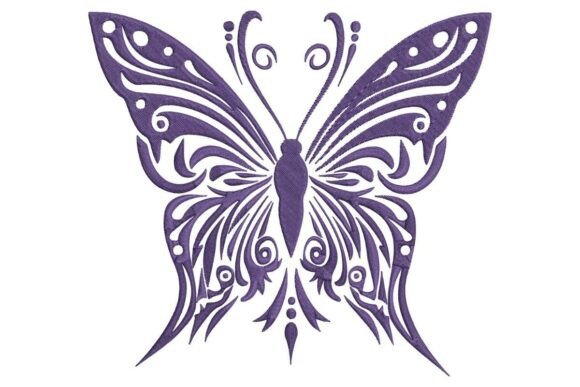
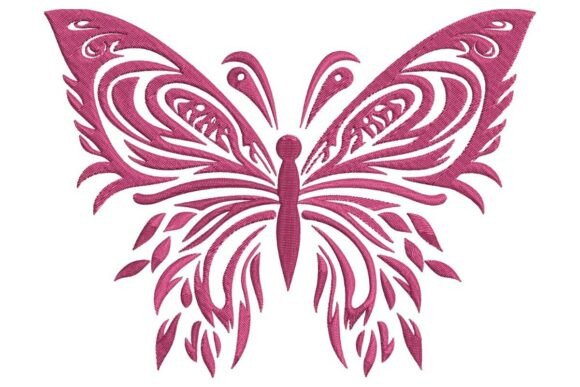
The visual impact of a tattoo often hinges on the interplay between color, form, and texture. A Magenta Wings Tattoo Design offers a striking example of how modern digital artistry can translate into meaningful body art or versatile graphic assets. This specific design features an elegant and vibrant illustration of a stylized butterfly, rich with intricate details that demand attention. The symmetry of the wings creates a sense of balance, while the fusion of bold, flame-like tribal patterns on the lower half with delicate, swirling filigree on the upper half introduces a dynamic contrast. Rendered in a single, vibrant magenta pink, the artwork mimics the detailed texture of a high-quality embroidery patch, adding a tactile quality to the visual experience.
Understanding the Artistic Fusion
At its core, this design is not merely a depiction of a butterfly; it is a study in duality. The lower wings utilize heavy, solid lines reminiscent of traditional tribal tattoos, providing a grounded, powerful foundation. In contrast, the upper wings employ fine, lace-like filigree, suggesting fragility and grace. This juxtaposition allows the wearer or user to express multiple facets of their personality simultaneously. The choice of magenta is deliberate. Unlike standard reds or purples, magenta sits at the intersection of passion and creativity. It is a color that signifies innovation and non-conformity, making it an ideal choice for those who wish to stand out without resorting to chaotic multicolor schemes.
The antennae are highly stylized, curling in ornate loops that frame the head of the butterfly. This attention to detail ensures that the design remains cohesive from every angle. For tattoo enthusiasts, the "embroidery patch" texture is particularly intriguing. It suggests a layered depth, giving the illusion that the ink has dimension on the skin. This effect requires a skilled artist who understands shading and line weight to replicate the look of thread and fabric using only needle and ink.
Perspectives for Different Audiences
The appeal of the Magenta Wings Tattoo Design extends beyond individual body art. Various groups evaluate this aesthetic through different lenses, prioritizing factors such as commercial viability, educational value, or personal expression.
For Tattoo Enthusiasts and Wearers
Individuals seeking permanent body art prioritize longevity and personal resonance. For them, the primary consideration is how the design ages. Bold tribal elements tend to hold up well over time, resisting the blurring that can affect finer details. However, the delicate filigree requires careful placement on the body. Areas with less friction and sun exposure, such as the upper back, ribcage, or forearm, are ideal. The singular magenta hue simplifies the healing process compared to full-color realism, as there are fewer pigment types to manage. Wearers often choose this design to symbolize transformation, balancing strength (tribal) with elegance (filigree).
For Graphic Designers and Creators
Freelancers and digital artists view this illustration as a versatile asset. The vector-like quality of the tribal patterns combined with the organic flow of the filigree makes it suitable for various applications beyond skin. Designers might adapt the magenta wings for logo designs, brand mascots, or packaging elements. The embroidery texture adds a unique selling point for print-on-demand services. By isolating the magenta layer, creators can easily recolor the design to match specific brand guidelines while retaining the intricate structural details. The symmetry also allows for easy manipulation, such as mirroring or cropping for social media icons.
For Small Business Owners and Marketers
Entrepreneurs in the fashion and accessory sectors recognize the commercial potential of such a distinct visual. The design’s resemblance to an embroidery patch makes it perfect for apparel branding. It can be printed on t-shirts, hats, or tote bags, offering a premium look without the high cost of actual stitching. Marketers appreciate the clarity of the message: the butterfly represents change and beauty, while the magenta color captures attention in crowded digital feeds. When evaluating this design for product lines, business owners focus on scalability. Does the detail remain visible when shrunk for a clothing tag? Does it pop against both dark and light fabrics? The high contrast of the magenta against black or white backgrounds ensures visibility across diverse merchandise.
For Educators and Hobbyists
Art instructors and hobbyists use complex illustrations like this to teach technique. The design serves as an excellent case study for understanding line weight variation. Students can practice transitioning from thick, confident strokes in the tribal sections to thin, controlled lines in the filigree areas. Digital painters may use the image to practice texture rendering, attempting to recreate the fuzzy, threaded appearance of embroidery using brush settings. For hobbyists interested in cross-stitch or needlepoint, the pattern provides a ready-made template. The clear divisions between the tribal and filigree sections allow crafters to experiment with different stitch types within a single project.
Evaluating Practical Application
When deciding whether to adopt this design for a specific purpose, several practical factors come into play. These include ease of adaptation, cost implications, and intended audience reception.
- Adaptability: The symmetrical nature of the butterfly makes it easy to resize without losing proportion. However, the intricate filigree may require simplification for very small applications, such as jewelry engravings.
- Color Consistency: Using a single magenta shade ensures consistency across different media. Whether printed on paper, displayed on a screen, or inked on skin, the color remains recognizable. This reduces the risk of color mismatching in multi-platform campaigns.
- Cultural Sensitivity: While the tribal elements are stylized, users should be mindful of cultural appropriation. Ensuring that the tribal patterns are abstract rather than directly copying specific indigenous symbols helps maintain respect and artistic integrity.
Implementation Strategies
To maximize the effectiveness of the Magenta Wings Tattoo Design, consider the context of its deployment. For a tattoo, consult with an artist who specializes in fine line work and solid blackwork to ensure the tribal sections are crisp. Request a stencil test to verify that the filigree does not blur together during the healing process.
For digital use, maintain high-resolution files to preserve the texture details. If using the design for apparel, consider heat-transfer vinyl or direct-to-garment printing to capture the vibrancy of the magenta. For educators, break down the design into layers. Teach the tribal base first, then overlay the filigree, allowing students to master each component before combining them.
Ultimately, the value of this design lies in its versatility and visual strength. It bridges the gap between traditional boldness and modern delicacy. Whether you are a consumer looking for a meaningful tattoo, a designer seeking a standout graphic, or a business owner aiming to enhance product appeal, the Magenta Wings offer a sophisticated solution. By understanding the specific needs of your project and the technical requirements of the medium, you can leverage this intricate illustration to achieve your creative goals.
Remember that the success of any artistic implementation depends on execution. Pay attention to the quality of materials, whether ink, thread, or pixel resolution. The detailed texture that mimics embroidery is the defining feature of this piece; preserving that illusion is key to maintaining its artistic integrity. As you explore ways to integrate this design into your work or life, let the balance of fire and lace guide your decisions.