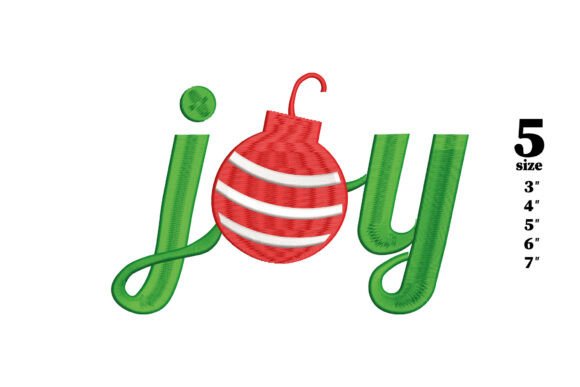
Joy: Elevating Your Embroidery Projects with Elegant Simplicity
There is a distinct satisfaction in watching a machine transform a simple piece of fabric into something textured, personal, and visually striking. At the heart of this creative process lies the design itself. Joy is more than just a word; it is a versatile embroidery motif that captures a feeling of lightness and celebration. Whether you are stitching for a local craft fair, creating personalized gifts for friends, or simply adding a decorative touch to your home décor, this design offers a blend of elegance and approachability. However, the difference between a professional-looking finish and a tangled mess often comes down to preparation and understanding the nuances of digital embroidery files.
Many enthusiasts rush into purchasing and stitching designs without considering the technical requirements. This oversight can lead to wasted materials, frustrated hours, and subpar results. By understanding what makes the Joy Embroidery Design unique and how to properly integrate it into your workflow, you can avoid common pitfalls and ensure every stitch counts.
Understanding the Versatility of the Joy Design
The appeal of this specific design lies in its balance. It is described as high-quality, fun, and easy to stitch, which are critical factors for both beginners and seasoned professionals. For beginners, "easy to stitch" means fewer thread breaks and less complex color changes, allowing you to build confidence. For professionals, it means efficiency; you can produce high-volume items without constant machine monitoring.
This design is not limited to a single application. Its elegant typography and decorative elements make it eye-catching on various fabrics. You might envision it on a cozy throw pillow, a crisp linen towel, or even a structured tote bag. The key is recognizing that the design’s adaptability depends on how you prepare your hoop and fabric. Ignoring the specific needs of different textiles is a frequent mistake that undermines the final presentation.
Common Mistakes When Selecting and Using Embroidery Files
One of the most significant errors creators make is assuming that all digital embroidery files are created equal. They are not. A poorly digitized design can have excessive stitch counts, poor underlay, or confusing pathing. When you choose a design like Joy, you are looking for clean lines and logical stitch progression. If a design lacks these qualities, you may experience puckering, thread bunching, or distortion of the text.
Another common misunderstanding relates to file compatibility. Many buyers overlook the importance of multiple file formats. Embroidery machines are proprietary; a file that works perfectly on a Brother machine may not open on a Janome or Husqvarna Viking without conversion. Conversion software can sometimes alter stitch density or pull compensation, leading to unexpected results. Therefore, purchasing a design that includes multiple native formats is not just a convenience—it is a necessity for maintaining quality.
The Impact of Incorrect Stabilizer Choice
Even the best design will fail if the stabilization is incorrect. A frequent oversight is using the same stabilizer for every project. For the Joy Embroidery Design, which likely features both satin stitches and fill areas, the fabric weight matters immensely.
- Knits and Stretchy Fabrics: Using a cut-away stabilizer is essential to prevent the design from distorting over time. Tear-away stabilizers may seem easier to remove, but they offer insufficient support for stretchy materials, leading to warped lettering.
- Wovens and Home Décor: For items like pillowcases or table runners, a tear-away stabilizer is often sufficient. However, if the fabric is lightweight, such as silk or chiffon, you must use a water-soluble topping to prevent the stitches from sinking into the fabric pile or weave.
Failing to match the stabilizer to the fabric affects the usability and longevity of the item. A gift that looks great initially but puckers after one wash is a disappointment that reflects poorly on the creator’s attention to detail.
Practical Advice for Optimal Results
To ensure your Joy embroidery project meets high standards, adopt a methodical approach. Start by checking the design details before you even thread your needle. Look for information on stitch count and dimensions. A design that is too dense for its size will create a stiff, cardboard-like feel on soft fabrics. Conversely, a design that is too sparse may look unfinished.
Here are practical steps to enhance your stitching experience:
- Test Stitch First: Always run a test stitch on a scrap piece of the same fabric you intend to use. This allows you to check tension, alignment, and stabilizer effectiveness without risking your final project.
- Check File Formats: Before purchasing, verify that the download includes the specific format required for your machine. Common formats include PES, DST, JEF, and EXP. Having access to multiple formats ensures you are working with the native file, preserving the designer’s original intent.
- Adjust Hooping Technique: For larger designs, consider using a floating hooping method with adhesive spray. This prevents hoop burns and ensures the fabric remains taut throughout the stitching process, which is crucial for keeping the letters in Joy straight and uniform.
Evaluating Quality and Value
When browsing for embroidery designs, it is tempting to choose the cheapest option or the first one that appears in search results. However, value is determined by reliability and support. A high-quality design provider will offer clear previews, detailed specifications, and responsive customer service. If a seller does not provide information about the recommended fabric types or stabilizer choices, it may indicate a lack of expertise in the digitization process.
Consider the end use of your project. If you are creating items for sale, consistency is vital. A design that stitches out reliably every time saves you money on wasted materials and time on reworks. The Joy Embroidery Design is positioned as a fun yet elegant option, making it suitable for a wide range of markets, from baby showers to holiday decorations. Its versatility allows you to market it to different audiences, provided the execution is flawless.
Avoiding Technical Glitches
Technical issues can arise from outdated machine firmware or corrupted USB transfers. Ensure your embroidery machine’s software is up to date. When transferring files, use high-quality USB drives and avoid saving files in deeply nested folders, which some older machines struggle to read. These small technical checks prevent unnecessary stress and ensure that the machine interprets the Joy design exactly as intended.
Furthermore, pay attention to thread quality. Cheap thread can break frequently, causing knots and uneven tension. Investing in high-quality rayon or polyester thread enhances the sheen and durability of the design. The visual impact of the word "Joy" relies on the smooth flow of the stitches; inferior thread can disrupt this aesthetic, making the design look jagged or dull.
Making the Right Choice for Your Creative Needs
Ultimately, selecting the right embroidery design is about aligning technical specifications with creative vision. The Joy design offers a compelling combination of ease and elegance, but its success depends on your preparation. By avoiding common mistakes such as ignoring file formats, neglecting proper stabilization, and skipping test stitches, you can elevate your projects from amateur to professional.
Take the time to evaluate your materials, understand your machine’s capabilities, and choose designs that offer comprehensive support and compatibility. This mindful approach not only improves the quality of your individual pieces but also builds your reputation as a skilled creator. Whether you are decorating your home or building a small business, the attention to detail you apply to each stitch reflects the care you put into your craft. Let the simplicity of Joy inspire your next project, and let your preparation ensure it shines.