Badger Embroidery: Capturing Wild Spirit
There is a quiet dignity in the badger. Often misunderstood as merely a nocturnal scavenger, this robust creature possesses a striking visual identity that translates beautifully into textile art. The badger embroidery design offers more than just an animal motif; it provides a connection to the woodland spirit, characterized by resilience and distinct beauty. For those looking to infuse their projects with a touch of rugged elegance, understanding how to effectively utilize this design can transform simple fabric into a statement piece.
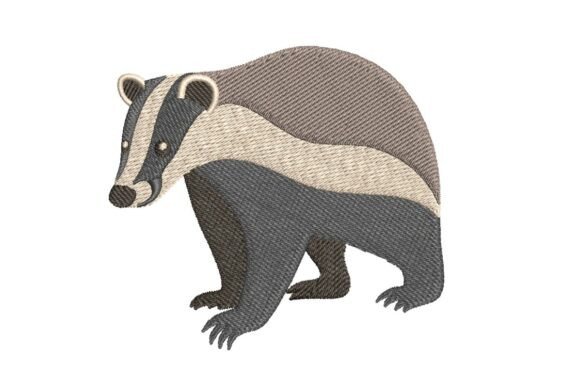
The appeal of the badger lies in its high-contrast features. The distinctive black, white, and grey striped face creates natural focal points, while the textured fur offers a playground for stitch density and direction. Whether you are digitizing your own patterns or purchasing ready-made files, the goal remains the same: to capture the essence of this elusive animal in thread. This guide explores how different creators can leverage this design to meet their specific needs, from hobbyist enjoyment to commercial application.
Why the Badger Resonates with Modern Makers
In an era where mass-produced goods dominate the market, there is a growing desire for items that feel grounded and authentic. The badger, as a symbol of the wild, fits perfectly into the "cottagecore" and outdoor aesthetics that have gained significant traction in recent years. It represents a bridge between the domestic comfort of home decor and the untamed beauty of nature.
For many, the choice of subject matter is deeply personal. A badger embroidery design is not just about the animal; it is about the atmosphere it evokes. It suggests stability, protection, and a connection to the earth. This emotional resonance is what makes the design versatile across various mediums, from heavy-duty outdoor gear to delicate home accents.
Perspectives for Beginners and Hobbyists
If you are new to machine embroidery, the badger presents both a challenge and a learning opportunity. Beginners often worry about complex designs causing thread breaks or bird’s nests. However, a well-digitized badger pattern is an excellent teacher. The contrast between the dark facial stripes and the lighter fur requires careful tension management, offering immediate feedback on machine setup.
- Start Small: Look for designs sized for pockets or cuffs. Smaller areas mean less runtime and fewer opportunities for errors.
- Focus on Texture: Notice how the design uses different stitch types to mimic fur. Satin stitches for the smooth nose and fill stitches for the body teach you about texture variation.
- Hooping Stability: Because badgers are often depicted in profile with detailed faces, proper hooping is crucial to prevent shifting, which can distort the eyes or snout.
For the hobbyist, the priority is often enjoyment and personal expression. Stitching a badger onto a tote bag or a decorative cushion allows for a creative outlet that results in a functional item. The satisfaction comes from seeing the character of the animal emerge stitch by stitch. It is a low-pressure environment where mistakes are part of the learning curve, and the end result is a unique piece for your home or wardrobe.
Professional Digitizers and Designers
For experienced professionals, the evaluation of a badger embroidery design shifts toward technical execution and versatility. Professionals look for clean pathing, minimal jumps, and efficient color changes. They understand that a design must not only look good but also run reliably on various machines and fabrics.
Key considerations for professionals include:
- File Format Compatibility: A robust design package should include multiple formats (such as PES, DST, JEF, and EXP) to ensure compatibility with Brother, Janome, Bernina, and industrial machines alike.
- Scalability: Can the design be resized without losing detail? The badger’s facial stripes must remain distinct even when scaled down for a hat or up for a jacket back.
- Stitch Density: Professional digitizers analyze density to ensure the fabric does not pucker. A badger’s thick fur should not translate into an overly dense stitch count that stiffens the garment.
Designers also consider the commercial viability of the motif. Wildlife themes have enduring appeal, but the market is saturated with generic animals. A badger design that captures the "spirit of the woodland" through artistic flair rather than photorealism stands out. It offers a stylized approach that appeals to modern branding and boutique fashion lines.
Entrepreneurs and Small Business Owners
For small business owners, particularly those in the apparel or outdoor gear sectors, the badger design offers a niche marketing angle. It appeals to customers who value durability and nature-inspired aesthetics. Imagine a line of canvas backpacks or waxed cotton jackets featuring this embroidery. The robust nature of the animal mirrors the quality of the gear.
From a business perspective, the decision to use this design hinges on production efficiency and customer perception. A well-tested design reduces waste and returns due to poor stitching quality. Furthermore, the badger motif can help define a brand identity. It suggests a company that is grounded, reliable, and connected to the outdoors. This is particularly effective for businesses targeting hikers, campers, or rural communities.
Marketing these products involves storytelling. Highlighting the craftsmanship involved in embroidering such a detailed animal adds perceived value. Customers are often willing to pay a premium for items that feature intricate, high-quality embroidery rather than simple screen prints. The tactile nature of the thread enhances the sensory experience of the product.
Educators and Community Leaders
Educators in textile arts or community workshop leaders can use the badger design as a teaching tool for advanced techniques. It serves as a case study in handling contrasting colors and managing complex shapes. Workshops focused on wildlife embroidery can use this pattern to discuss animal anatomy and how to simplify it for stitch work.
Additionally, the badger can be a gateway to discussing local ecology. Integrating embroidery projects with environmental education creates a multidisciplinary approach. Participants learn about the animal’s role in the ecosystem while developing their crafting skills. This holistic approach adds depth to the creative process, making it meaningful beyond the final product.
Consumers and Gift Givers
For consumers, the appeal is often aesthetic and emotional. A cushion with a badger embroidery brings a cozy, rustic charm to a living room. It is a conversation starter and a reflection of personal taste. Gift givers appreciate the uniqueness of embroidered items. Unlike mass-produced decor, an embroidered badger feels thoughtful and curated.
When evaluating a product for purchase, consumers should look for neatness in the backing and front of the embroidery. High-quality designs will have minimal visible bobbin thread on the top and secure trimming. The longevity of the item depends on this initial quality. A well-stitched badger will withstand washing and wear, maintaining its vibrant appearance over time.
Practical Applications and Material Choices
The versatility of the badger embroidery design allows it to be applied to various materials. Each substrate requires slight adjustments in technique:
- Jackets and Outerwear: Use stabilizers that can handle heavier fabrics. Denim and canvas provide a sturdy base that complements the rugged theme.
- Bags and Totes: Ensure the design is placed where it won’t be subjected to excessive friction. Reinforcing the area with interfacing can prevent distortion.
- Decorative Cushions: Softer fabrics like linen or cotton blends work well. Here, the texture of the thread can be more pronounced, adding a tactile element to the decor.
Choosing the right thread colors is also critical. While traditional black, white, and grey are standard, experimenting with earthy tones like browns, tans, and muted greens can integrate the badger into different color schemes. This flexibility allows creators to customize the design to match specific brand palettes or home interiors.
Making the Right Choice for Your Project
Ultimately, deciding whether this badger embroidery design is right for you depends on your goals. If you seek a quick, easy project, ensure the design is optimized for speed. If you aim for artistic expression, look for versions with varied stitch angles and densities. For commercial use, prioritize reliability and file compatibility.
By understanding the different perspectives—from the beginner’s learning curve to the professional’s technical requirements—you can better appreciate the value of this woodland motif. It is more than just a pattern; it is a tool for creativity, a symbol of nature, and a viable product component. Embrace the robust spirit of the badger and let it inspire your next embroidery endeavor.