Backline: Infusing Holiday Magic into Your Typography
The holiday season is a time defined by warmth, nostalgia, and visual storytelling. From the glowing lights on a tree to the intricate patterns on wrapping paper, every element contributes to an atmosphere of joy and celebration. In this context, typography plays a surprisingly pivotal role. The right font does more than convey words; it sets the emotional tone before a single sentence is read. This is where Backline enters the design conversation. As a festive and merry typeface, Backline captures the spirit of the holiday season with remarkable precision, offering designers and creators a tool that is both functional and deeply atmospheric.
The Essence of Festive Design
Designing for the holidays requires a delicate balance. You want to evoke tradition without feeling outdated, and whimsy without sacrificing readability. Backline achieves this equilibrium through its decorative elements and whimsical flair. It is not merely a font; it is a design asset that adds a touch of enchantment to your projects. When you choose Backline, you are choosing a typeface that understands the cultural language of Christmas, Hanukkah, Kwanzaa, and winter celebrations globally.
The font’s structure is built on a foundation of cheerful and nostalgic ambiance. It recalls the hand-lettered signs of vintage storefronts and the personal touch of handwritten greeting cards from decades past. Yet, it remains crisp and modern enough for digital applications. This duality makes it an invaluable resource for anyone looking to create content that feels both authentic and polished.
Key Characteristics of Backline
To understand why Backline stands out in a crowded marketplace of display fonts, we must look at its specific technical and aesthetic features. These characteristics define its utility and appeal:
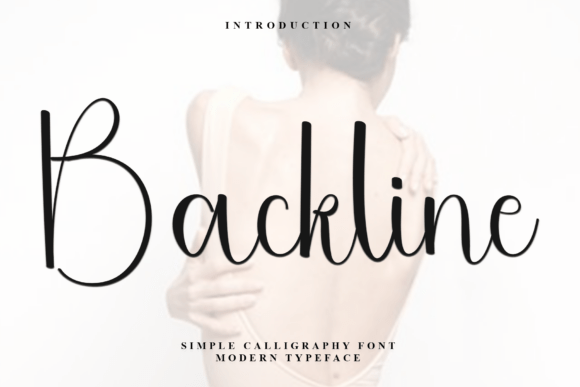
- Decorative Elements: The font includes intricate swashes and flourishes that mimic the organic flow of calligraphy, adding elegance to simple phrases.
- Whimsical Flair: Slight irregularities in stroke weight and baseline give the text a human, hand-crafted feel, avoiding the sterile look of standard system fonts.
- PUA Encoding: Perhaps the most significant technical feature is that Backline is PUA (Private Use Area) encoded. This means you can access all of the amazing glyphs and ligatures with ease, without needing complex software workarounds.
- Versatile Weight: While primarily a display font, it maintains enough structural integrity to be used in short body text contexts, such as gift tags or invitation details.
Practical Applications for Creators
Understanding the features of Backline is only half the battle; knowing where to apply it is where true value is created. Because this font brings a cheerful and nostalgic ambiance to your words, it is best suited for projects where emotion and aesthetics take precedence over dense information delivery.
Greeting Cards and Stationery
The most natural home for Backline is in the world of greeting cards. Whether you are designing a digital e-card or printing physical invitations, the font’s decorative nature shines here. Use it for the primary message, such as "Happy Holidays" or "Season's Greetings," to create an immediate focal point. The ligatures available through its PUA encoding allow you to connect letters seamlessly, creating a custom-logo effect for your headlines.
Packaging and Gift Tags
In retail and personal gifting, packaging is the first physical interaction a recipient has with a product. Backline is perfect for gift tags, box labels, and ribbon prints. Its whimsical flair adds a layer of perceived value and care. For small business owners selling handmade goods during the holiday rush, using Backline on packaging can reinforce brand identity while tapping into the seasonal mood. It suggests that the item inside was chosen with love and attention to detail.
Digital Marketing and Social Media
For online users and marketers, visual consistency across platforms is key. Backline can be used in social media graphics, email headers, and website banners. However, it is crucial to use it sparingly in digital formats. Due to its decorative nature, it works best for headlines and call-to-action buttons rather than long paragraphs. A well-placed "Shop Now" in Backline can draw the eye more effectively than a standard sans-serif font during the busy holiday shopping season.
Who Benefits from Using Backline?
The versatility of Backline means it serves a wide range of users. It is not limited to professional graphic designers, though they will certainly appreciate its technical robustness.
- Small Business Owners: Entrepreneurs who manage their own branding can use Backline to create cohesive holiday marketing materials without hiring a designer.
- Educators and Parents: Creating classroom decorations, newsletters, or family holiday letters becomes more engaging with a font that captures the spirit of the season.
- Event Planners: From corporate holiday parties to family reunions, invitations and signage benefit from the enchanting quality of this typeface.
- Content Creators: Bloggers and vloggers can use Backline for thumbnail text or section headers to add seasonal relevance to their content.
Evaluating Suitability: When to Use and When to Pause
While Backline is a powerful tool, responsible design involves knowing its limitations. No font is a universal solution. To ensure you get the most out of this typeface, consider the following guidance on suitability.
Ideal Scenarios: Use Backline when you have ample white space around the text. Decorative fonts need room to breathe. They excel in low-word-count environments where the shape of the letters can be appreciated. If your goal is to evoke warmth, tradition, or joy, Backline is an excellent choice.
Considerations: Avoid using Backline for long blocks of text, such as legal disclaimers, detailed instructions, or dense articles. The decorative elements can reduce legibility at smaller sizes or in high-density layouts. Additionally, ensure that the color contrast between the text and the background is high. Intricate fonts can disappear against busy backgrounds.
Technical Expectations: Because Backline is PUA encoded, users should ensure their design software supports this feature. Most modern design tools like Adobe Illustrator, Photoshop, and Canva handle PUA fonts well, but it is always wise to test the ligatures before finalizing a large project. This ensures that the "amazing glyphs" are accessible and render correctly across different devices and print mediums.
Integrating Backline into Your Workflow
To truly let your typography shine with the magic of Beautiful Font, integration must be intentional. Start by pairing Backline with a clean, neutral sans-serif or serif font for body text. This contrast highlights the whimsical nature of Backline while maintaining overall readability. For example, use Backline for the header "Winter Sale" and a simple geometric sans-serif for the dates and terms.
Experiment with color palettes that complement the font’s nostalgic vibe. Deep reds, forest greens, golds, and icy blues work harmoniously with Backline’s structure. Avoid neon or overly aggressive colors that might clash with the font’s gentle, festive character.
Conclusion
In the realm of design, details matter. Backline offers more than just letters; it provides a vessel for emotion. By capturing the spirit of the holiday season through its decorative elements and whimsical flair, it allows creators to communicate joy visually. Whether you are designing greeting cards, gift tags, or holiday-themed projects, this font brings a cheerful and nostalgic ambiance that resonates with audiences.
Its PUA encoding ensures that professionals and amateurs alike can access its full potential with ease, making it a practical choice for high-quality output. As you plan your next creative endeavor, consider how Backline can elevate your message. Let the typography do some of the heavy lifting, infusing your words with the magic they deserve. In a season dedicated to connection and celebration, choosing the right voice for your design is the first step toward creating something truly memorable.