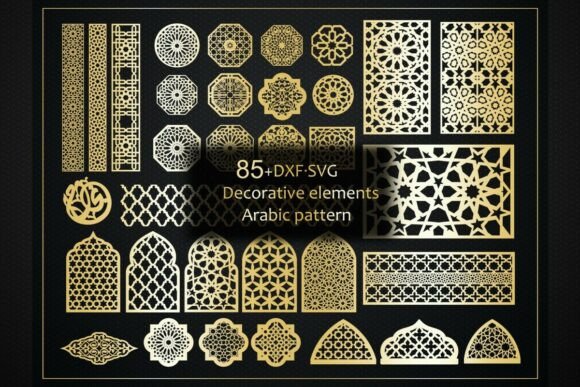
85 Moroccan Arabic Patterns SVG DXF AI
Integrating traditional geometric artistry into modern fabrication requires more than just a cutting machine; it demands precision, cultural authenticity, and versatile digital assets. The collection known as 85 Moroccan Arabic Patterns SVG DXF AI serves as a critical resource for designers, makers, and architects who wish to bridge the gap between historical Islamic art and contemporary manufacturing. These files are not merely decorative elements; they are engineered templates designed to streamline the workflow from concept to physical product. By utilizing these pre-vetted patterns, creators can bypass the hours typically spent drafting complex vector geometry, allowing them to focus on material selection, finish quality, and structural integrity.
Streamlining the Design-to-Production Workflow
One of the most significant challenges in laser cutting and CNC routing is the preparation of vector files. Complex geometric patterns, such as those found in Moroccan and Arabic architecture, often involve intricate interlocking lines that must be perfectly closed and layered to ensure clean cuts. Manually creating these designs from scratch requires advanced skills in CAD software and a deep understanding of geometric construction. This is where the value of the 85 Moroccan Arabic Patterns SVG DXF AI bundle becomes apparent. It provides a library of ready-to-use files in multiple formats, including DXF, SVG, AI, EPS, CDR, and PDF.
For professionals running a small business or a fabrication shop, time is a direct cost. Spending three hours designing a single screen panel reduces profitability. By accessing an instant digital download of high-quality designs, users can import files directly into their preferred software—whether it is LightBurn, RDWorks, Adobe Illustrator, or CorelDRAW—and proceed immediately to nesting and cutting. This efficiency supports higher throughput and allows creators to take on more diverse projects without increasing their design overhead. The compatibility with major platforms like Glowforge, Cricut, Silhouette Cameo, and industrial CNC routers ensures that the barrier to entry is low, regardless of the equipment budget.
Versatility Across Interior and Exterior Applications
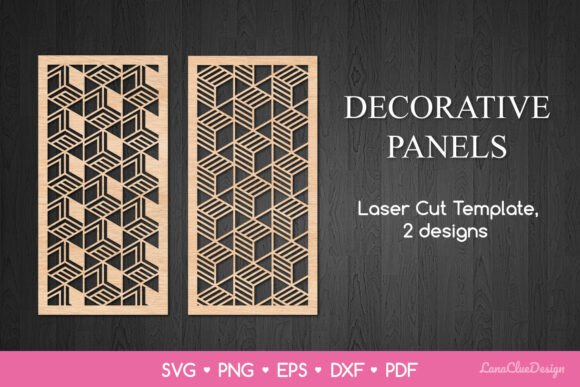
The utility of these patterns extends far beyond simple hobbyist crafts. The geometric complexity and aesthetic balance of Moroccan art make it ideal for large-scale architectural applications. Consider the use of these files for creating custom room dividers or privacy screens. In open-plan living spaces, a laser-cut panel can define zones without blocking light, adding texture and visual interest. The patterns included in this collection are scalable, meaning they can be adjusted to fit specific dimensions while maintaining their proportional integrity. This is crucial for furniture inlays, where a pattern might need to fit precisely within a cabinet door or a table surface.
Furthermore, these designs are suitable for exterior applications such as decorative gates, fences, and facade accents. When cut from durable materials like powder-coated aluminum, steel, or treated hardwood, these patterns withstand environmental exposure while providing security and style. For interior designers, the ability to offer bespoke wall panels that reflect a specific cultural aesthetic adds a layer of sophistication to client presentations. The 85 Moroccan Arabic Patterns SVG DXF AI collection allows for the creation of cohesive design themes throughout a property, from the entrance gate to the interior lighting fixtures.
Material Considerations and Technical Precision
While the digital files are optimized for cutting, the final outcome depends heavily on material selection and machine calibration. These patterns work exceptionally well with wood products such as plywood, MDF, and hardwoods, which offer natural warmth that complements the organic feel of traditional art. However, they are equally effective with acrylics, metals, and composites. When working with reflective materials like aluminum or brass, users should ensure their laser cutter is equipped with the appropriate wavelength and power settings to achieve clean edges without excessive charring or melting.
It is important to note that intricate patterns require precise kerf compensation. The width of the laser beam or router bit removes a small amount of material during cutting. For highly detailed sections of the Moroccan patterns, failing to account for this can result in parts that do not fit together correctly, particularly in assembly-based projects like 3D lanterns or layered wall art. Users are advised to perform test cuts on scrap material to fine-tune their speed and power settings. The inclusion of DXF and AI files in the 85 Moroccan Arabic Patterns SVG DXF AI package allows for easy editing if minor adjustments to line thickness or node placement are required before production.
Supporting Cultural Authenticity in Modern Design
In an era of mass-produced decor, there is a growing demand for items that carry cultural significance and artisanal quality. Moroccan and Arabic geometric patterns are rooted in centuries of mathematical and artistic tradition. Using authentic designs rather than generic imitations respects this heritage and adds depth to the final product. For educators and cultural centers, these files can be used to create teaching aids or exhibition displays that illustrate the principles of symmetry and tessellation found in Islamic art. This educational angle opens up new markets for creators who wish to collaborate with institutions or produce culturally relevant merchandise.
Bloggers and content creators can also leverage these designs to produce engaging visual content. Time-lapse videos of laser cutting processes, tutorials on finishing techniques, or showcases of completed home renovation projects featuring these patterns can drive significant engagement on social media platforms. The visual appeal of the intricate cutouts makes them highly shareable, helping makers build their brand authority and attract clients who value custom, high-quality craftsmanship.
Who Benefits Most from This Collection?
This resource is particularly valuable for several key groups:
- Fabrication Shop Owners: Who need a reliable library of popular designs to fulfill client requests quickly without tying up design staff.
- Interior Designers: Who seek unique, customizable elements to differentiate their projects and offer bespoke solutions to high-end clients.
- Hobbyists and Makers: Who want to elevate their craft from simple shapes to complex, professional-grade artworks without needing advanced CAD skills.
- Educators: Who teach geometry, art history, or vocational trades and need practical examples of mathematical beauty in design.
Each group benefits from the immediate accessibility and technical reliability of the files. The multi-format support ensures that whether a user is operating a desktop diode laser or an industrial CO2 cutter, the files will integrate seamlessly into their existing workflow.
Maximizing Value Through Strategic Use
To get the most out of the 85 Moroccan Arabic Patterns SVG DXF AI collection, users should consider combining different patterns to create hybrid designs. Layering a dense geometric pattern over a simpler background can create shadow effects that change throughout the day as light moves across the piece. Additionally, experimenting with different finishes—such as staining wood before cutting or painting metal after fabrication—can dramatically alter the visual impact of the same underlying pattern.
It is also advisable to keep organized libraries of these files. Tagging designs by complexity, style, or intended application can save time in future projects. As users become more familiar with the collection, they may begin to modify individual elements to create proprietary designs, further expanding their creative capabilities. The initial investment in a comprehensive pattern library pays dividends in reduced design time, increased product variety, and enhanced professional credibility.
In conclusion, the integration of these digital assets into a maker’s toolkit represents a strategic move toward efficiency and quality. By leveraging pre-designed, culturally rich patterns, creators can focus on what they do best: bringing ideas to life with precision and care. The 85 Moroccan Arabic Patterns SVG DXF AI collection is not just a set of files; it is a foundation for building a more diverse, efficient, and aesthetically compelling portfolio of work.